
The vault is more than a heavy door and a mythic combination lock. It is a promise: that valuables survive theft fire time and human error. Readers who care about protecting money data or legacy will find this guide useful. It mixes straight talk with a touch of wit so complex concepts feel manageable. The piece moves from definition to practical steps so people can pick the right vault and manage it like a pro.
What “The Vault” Means: Definitions And Contexts
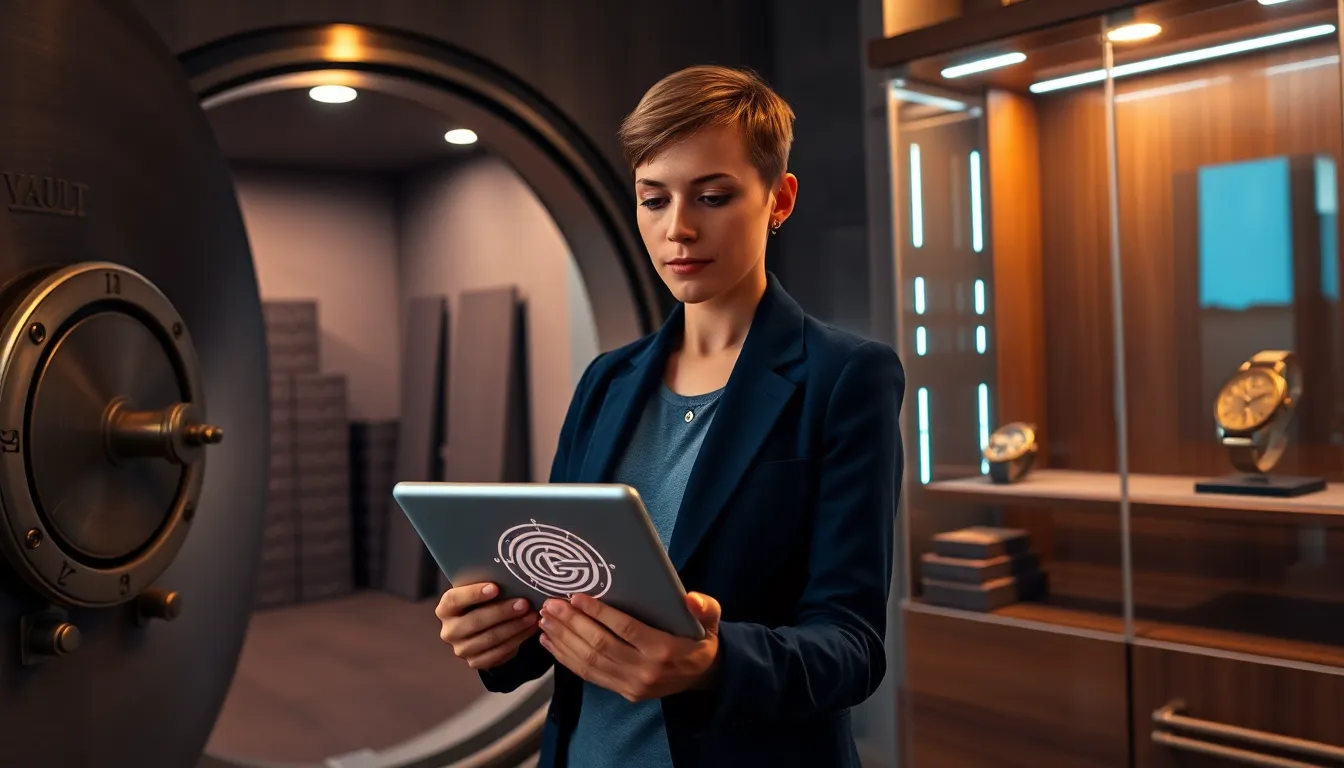
The phrase the vault covers a spectrum of meanings depending on who is speaking. For a bank customer the vault is a concrete room built to resist intrusion and fire. For an IT manager the vault is an abstract service that stores keys credentials and secrets. For a collector the vault can be a trusted third party or a climate controlled space where irreplaceable items live.
Context matters. In finance the vault implies regulatory oversight insurance and audits. In technology the vault suggests encryption access controls and immutable logs. In everyday life the vault can be a locked safe a safety deposit box or a cloud based password manager. Each use shares core goals: confidentiality integrity and availability.
Understanding these different contexts helps when choosing protections and setting expectations. Physical and digital vaults solve similar problems but they do so with different trade offs. Recognizing that overlap is the first step toward designing durable security.
A Brief History Of Vaults And Secure Storage
Vaults have ancient roots. Early civilizations used hardened rooms and guarded caches to protect grain jewelry and ritual objects. As coinage spread banks began building vaults to store deposits and bullion. Industrial advances in metallurgy and lock design during the 19th century transformed vaults into the fortified spaces recognizable today.
The digital era introduced new kinds of vaults. Cryptographic primitives developed in the 1970s and 1980s made secure storage of digital secrets possible. Over the last two decades cloud infrastructure and software based key management systems matured. They brought convenience but also fresh attack surfaces.
Regulation evolved alongside technology. Laws and standards now govern custody of financial assets health records and identity information. These rules shaped how modern vaults are designed tested and audited. The result is an ecosystem where physical engineering and software engineering meet.
Types Of Vaults And How They’re Used
Vaults come in several distinct flavors. Each serves different needs and exposes users to different risks. Knowing the categories lets organizations and individuals match tools to goals.
Physical Bank And Safe Vaults
Physical vaults include bank safe deposit boxes commercial armored vaults and residential safes. They rely on mass and structure to deter theft. Modern bank vaults also include alarms CCTV and armed response. Safe designs vary by material tamper resistance and fire rating. Collectors and businesses that store physical assets often prefer vaults with climate control and insurance endorsements.
Digital And Cryptographic Vaults
Digital vaults protect secrets like encryption keys private keys credentials and sensitive documents. They use encryption access controls and often hardware security modules to keep keys isolated. Cloud key management services and on premise key stores both qualify. Cryptographic vaults enable use cases such as secure backups zero trust authentication and blockchain custody.
Personal And Commercial Vault Solutions
Personal vaults include fire safe boxes password managers and encrypted drives. They balance ease of use with security. Commercial vaults are enterprise grade solutions offering role based access multi party approval and audit trails. Service providers may combine hardware and software controls to meet compliance requirements for regulated industries.
Core Security Features And How They Work
Effective vaults layer defenses so no single failure causes total loss. Common features operate together to protect assets across physical and digital environments.
Mechanical And Structural Protections
Physical vaults use thick walls reinforced doors and time locks to slow attackers. Material science plays a role through composite plates and concrete mixes that resist cutting and drilling. Fireproofing is critical because heat can destroy items even when they remain behind secured gates. Designers also consider environmental controls to protect delicate contents.
Electronic Authentication And Access Controls
Modern vaults augment mechanical protections with electronic access. Multifactor authentication biometric readers and smart cards reduce the risk of stolen credentials. Role based permissions limit what individuals can do. In enterprise settings segregation of duties and multi signature approval processes prevent a single insider from moving high value assets.
Redundancy, Backup, And Incident Response
Redundancy ensures availability when components fail. For physical vaults this can mean distributed storage across multiple facilities. For digital vaults it means replicated encrypted backups in separate regions. Incident response plans define who does what when systems are compromised. Regular drills validate those plans and reduce reaction time when incidents occur.
How To Choose The Right Vault For Your Needs
Picking the right vault starts with clarity about what must be protected and why. A careful assessment prevents overspending on unneeded features and avoids painful gaps.
Assessing Risk, Value, And Regulatory Requirements
Begin by quantifying risk: what threats matter and how likely are they. Next determine the value of the assets and the cost of loss. Legal and regulatory obligations influence design choices. For example financial institutions and health providers face strict custody rules that private individuals do not. Aligning protection levels with risk and compliance ensures resources are spent wisely.
Cost, Usability, And Long-Term Maintenance
Cost is not only purchase price. Operating expenses backup costs insurance and testing all add up. Usability matters because overly complex systems encourage risky workarounds. Long term maintenance includes software patching firmware updates and replacement of mechanical parts. Choose solutions that integrate with business processes while remaining auditable and supportable.
Practical Best Practices For Managing A Vault
Owning a vault is an ongoing responsibility. Regular practices reduce the chance of loss and make recovery practical when incidents occur.
Access Policies, Auditing, And Recordkeeping
Define who may interact with the vault and what actions they can perform. Keep detailed logs of access and changes. Audit trails support investigations and satisfy regulators. Recordkeeping of custody transfers chain of custody and approvals prevents disputes and provides evidence after incidents.
Routine Maintenance, Testing, And Upgrades
Schedule regular physical inspections and electronic health checks. Test backups and restoration procedures at least quarterly and after major changes. Keep firmware and software up to date while validating compatibility with existing systems. Periodically reassess threat models and update defenses as attackers and technology evolve.
Conclusion
The vault remains a powerful concept because it brings discipline to the problem of protecting valuables. Whether it is a bank vault a cloud key store or a home safe the same principles apply. Identify what matters quantify the risk carry out layered protections and maintain vigilance over time. Doing so turns the vault from a hopeful label into a reliable asset for preserving wealth data and legacy.